
Material Notes / Hospitality & Furniture
Walnut Veneer in Hotel Tables: Lessons from Park Hyatt Kyoto
A hotel table is encountered at close range: beside a chair, beneath a cup, or across a conversation. Its surface has to work with objects and people, not only with the architecture in a photograph. Walnut veneer offers a way to give that everyday surface a distinct wood character while treating the tabletop, edge and supporting base as separate design decisions.
Park Hyatt Kyoto provides a useful, documented starting point. Hyatt announced its opening on 30 October 2019 in Kyoto's Higashiyama district; Takenaka credits the interiors to tonychi and Takenaka Corporation. Completed in 2019, it remains a useful case for considering how a wood surface contributes to the smaller moments of a hotel stay. [1, 2]
KOSEE walnut samples for a tabletop
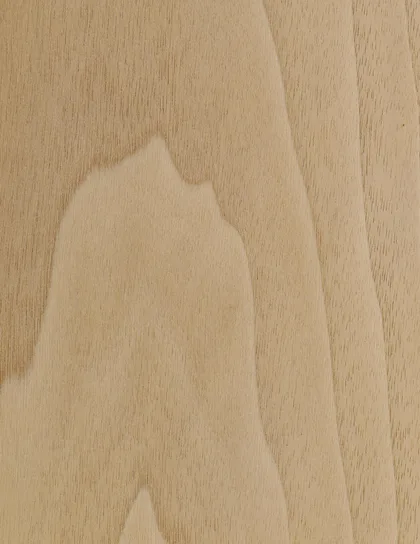
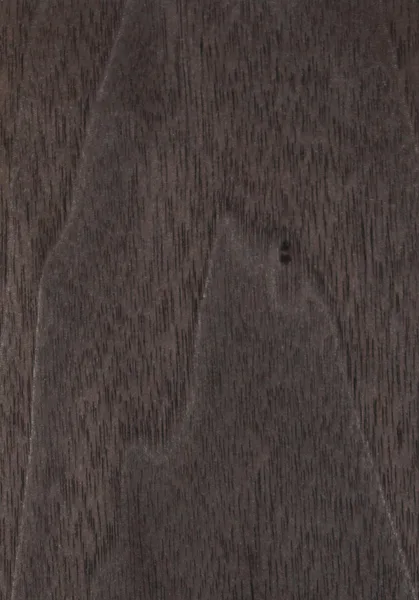
The confirmed application: walnut veneer tabletops
Furniture specialist PFHD records two tables with walnut veneer tops and metal bases: one measures W1500 × D750 × H720 mm, the other W750 × D750 × H720 mm. These specific furniture entries establish the veneer application. The same project page describes other pieces differently, so its wider collection should not all be called veneered furniture. [3]
For designers studying this combination, the wood surface and metal support can be read as two complementary layers: one gives the hand and eye a close encounter with grain, while the other defines how the object meets the room. The design observations below are suggestions for new projects, using the documented furniture as their starting point.
Design at the scale of a place setting
For a new hospitality project, begin with the tabletop as a small landscape. Place the actual plate, glass, menu and lamp on a full-size layout. A strongly figured surface may become the focal point; a quieter arrangement can leave more visual space for food and conversation. Neither is automatically the better choice. The question is what the table should contribute when it is in use.
Grain direction can reinforce a long proportion or give a compact top a clear orientation. Try the pattern from the seated guest's viewpoint as well as from above. Where several tables share a room, compare them together: variation can feel deliberate when the overall range is considered, but distracting when each top is selected in isolation. The room, rather than the individual sample, becomes the final unit of composition.
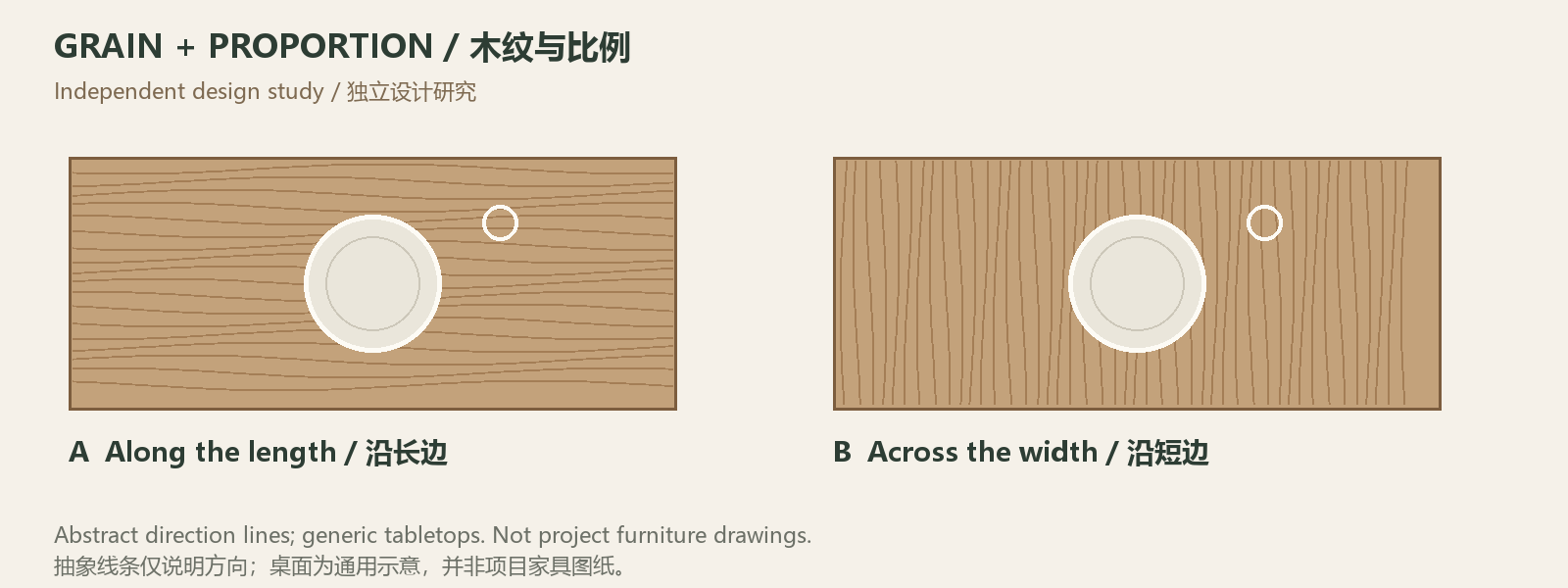
The wood pattern starts before the table is made
Natural veneer is a thin wood surface applied to a supporting board. Its appearance is not determined by the species name alone. The Timber Veneer Association of Australia explains that slicing and peeling methods produce different grain patterns; the timber's own structure also contributes to its figure. A walnut specification therefore needs a visual direction as well as a material name. [4, 5]
Consider two possible moods. A restrained field of relatively straight grain could support a calm dining setting. More expressive figure could make a small occasional table feel like an individual object. The useful comparison is between actual veneer layouts at furniture scale. A small swatch shows color and local detail, but it cannot show where a larger pattern will sit beneath a plate or meet an edge.
Color should be reviewed alongside the other materials in the room. Put the proposed wood beside upholstery, metal and ceramics under the intended lighting. Rather than asking every natural surface to look identical, define which variations belong to the design. This turns sample selection into a discussion about the room's character, instead of a search for a single brown color.
For hospitality and brand-space designers, related grain and color choices can connect tables, cabinet fronts and display plinths without repeating the same object. Develop those relationships in a material layout. Changing the scale or orientation may be enough to give each piece its own role while maintaining a recognizable family resemblance.
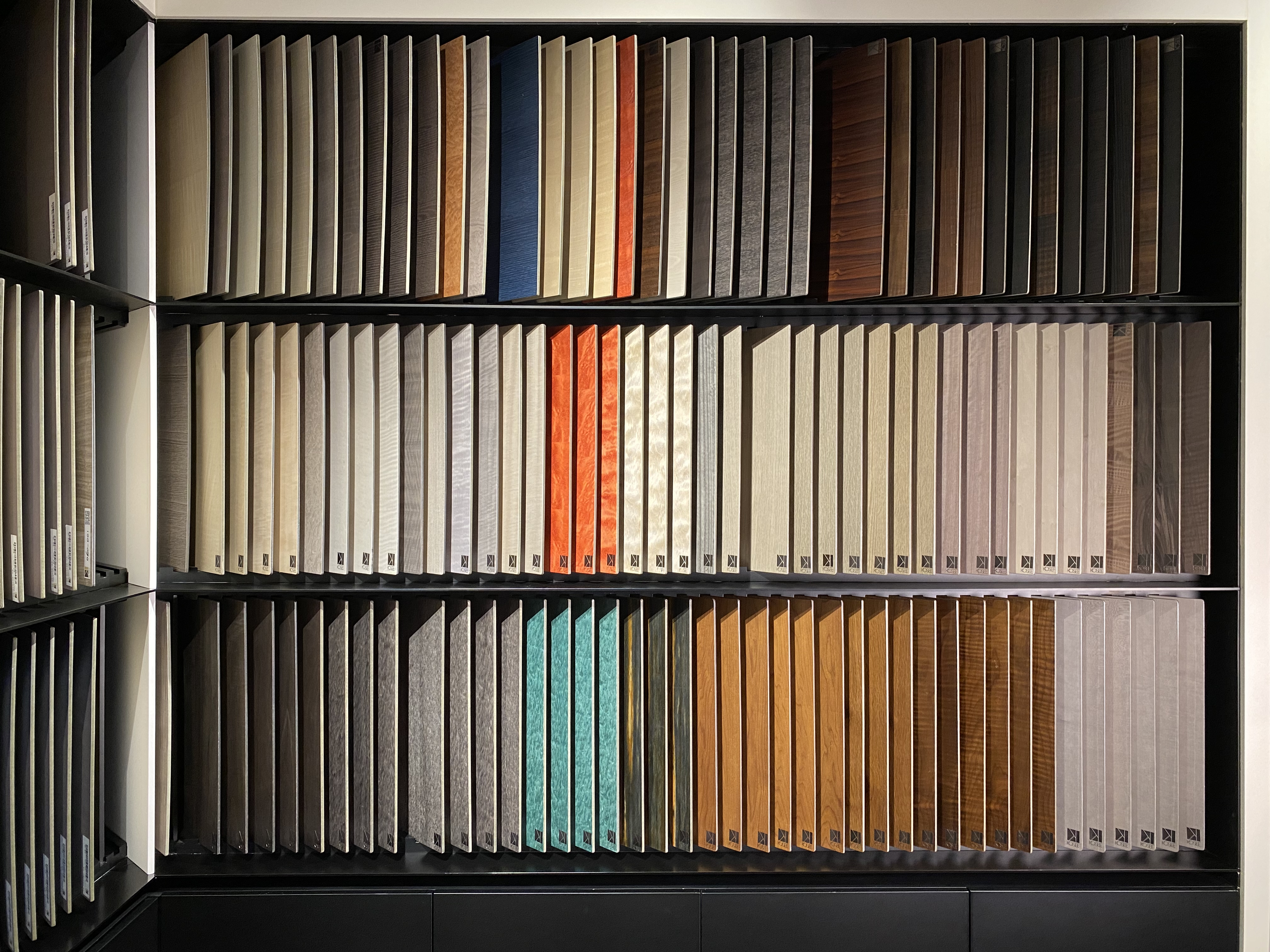
From veneer leaf to a finished furniture surface
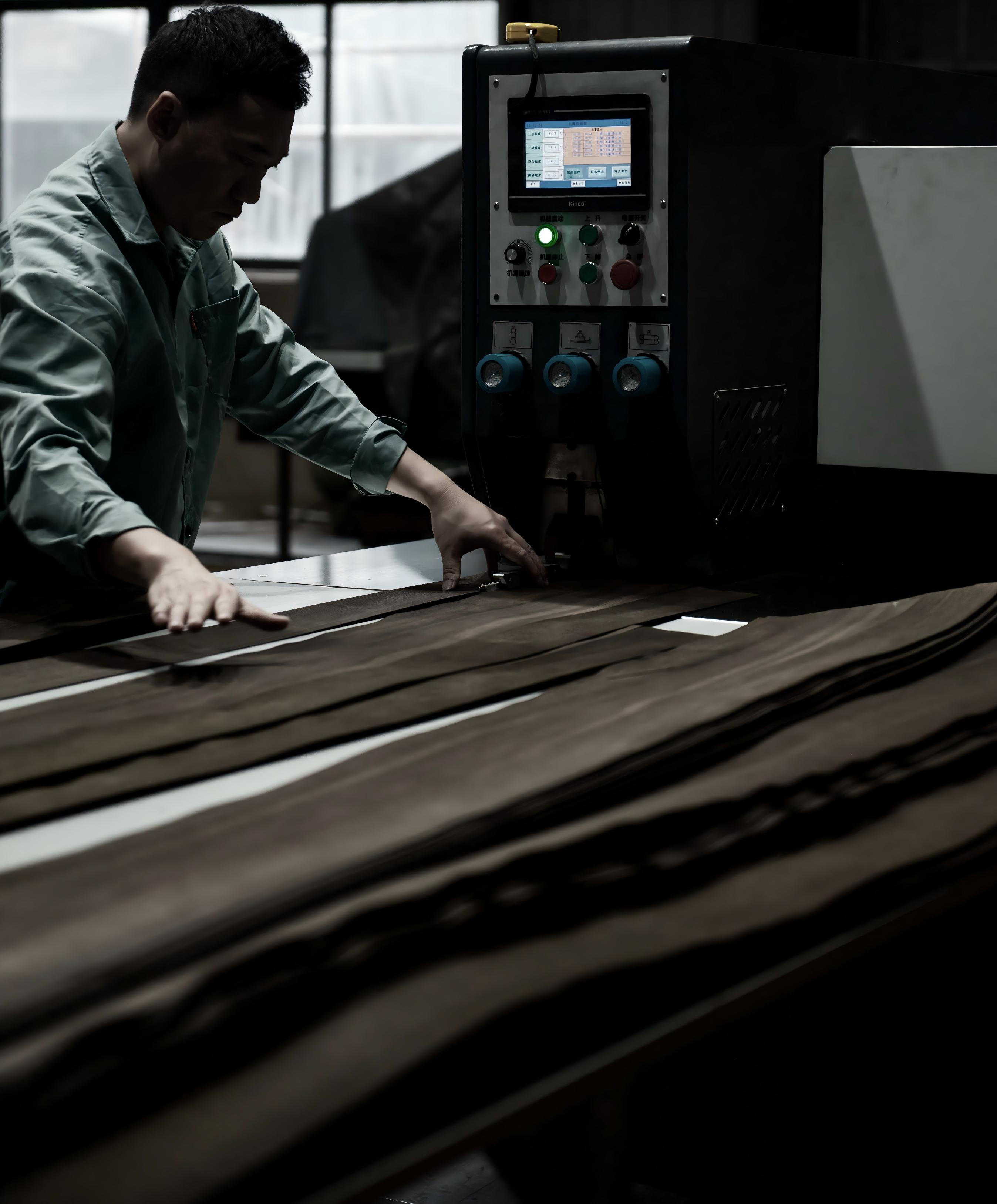
For a different project, the design can be developed through a sequence of decisions: choose the veneer character, arrange the leaves, agree the supporting construction and resolve the edge. The visible top is only part of the object. A perimeter detail can make the wood read as a delicate surface or as a deeper volume; it should be drawn and evaluated together with the metal support.
Keep the desired appearance connected to fabrication. Before committing to a whole furniture family, examine a representative top that includes the real edge and proposed finish. Ask the fabricator to explain how the face, underside and edge will work as one assembly. That conversation helps keep a clear visual idea intact as it becomes a usable piece of furniture.
A hospitality surface must also work in daily service
For a new hotel, the operational brief should be part of the material conversation. Discuss cups, spills, cleaning routines and contact at the table edge with the operator and finisher. Assess the proposed coated assembly against those conditions. A species name or an attractive sample does not, by itself, establish resistance to water, heat or cleaning products.
Also consider what happens after the first installation. How would a damaged top be assessed, repaired or replaced, and who would approve the appearance of a later batch? Agree a care approach with the furniture and coating suppliers. Keeping a finished reference and a clear record of the accepted variation gives future decisions a useful point of comparison, without promising that natural wood will remain visually unchanged.
Walnut is a name to clarify, not an origin certificate
American walnut is one possible reference for a future material study. AHEC identifies it as Juglans nigra, distributed across the eastern United States, with pale sapwood and brown heartwood. This background does not identify the walnut used at Park Hyatt Kyoto. The tree's natural distribution, the place where veneer is manufactured and the source of a particular supplied batch are different facts; confirm each relevant one separately. [6]
Developing a hotel furniture palette with KOSEE
The lesson is to connect the wood pattern to the furniture's purpose. A table can offer a concentrated material experience without making the entire interior depend on one timber. Start with its role in the room, then develop a surface that works with the shape, edge and surrounding objects.
KOSEE's published offer includes natural, dyed and smoked veneer, with material formats and color development for project discussion. For a new hotel furniture study, share the intended application, drawings and visual references with KOSEE to explore samples and suitable formats. A useful starting point is one representative tabletop and a concise description of the atmosphere you want the furniture to support. [7, 8]
Explore KOSEE materials and samples
View KOSEE manufacturing capabilities
Browse KOSEE catalogs and material resources
See the original furniture record and project photographs at PFHD